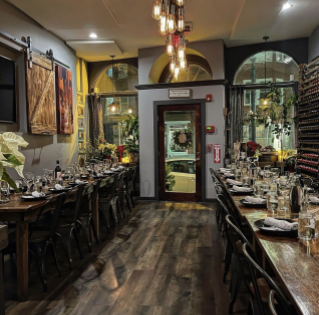
Italian cuisine is known for its rich history, regional diversity, and deep cultural significance. Each dish reflects centuries of tradition, shaped by local ingredients and historical influences. Understanding the origins of classic Italian dishes provides insight into the country’s culinary evolution and the ways in which these recipes have been passed down through generations.
Many Italian dishes trace their roots to ancient times, when Roman, Greek, and Middle Eastern influences shaped early cooking techniques. Over the centuries, regional specialties developed, leading to the distinct flavors and preparations associated with different areas of Italy. Each dish tells a story of migration, trade, and culinary ingenuity.
Examining the history of Italian cuisine reveals the importance of simplicity and quality. Italian cooking relies on fresh, local ingredients, emphasizing natural flavors rather than complex preparation. By exploring the origins of these beloved dishes, one gains a deeper appreciation for their authenticity and the traditions that keep them alive.
The Evolution of Pasta: A Staple of Italian Cuisine
Pasta has long been a cornerstone of Italian cooking, with its origins dating back to ancient civilizations. While early forms of pasta existed in both China and the Middle East, Italy refined the craft, creating an extensive variety of shapes and textures suited to different sauces and preparations.
Experienced chefs like Jen Royle mention that the introduction of durum wheat during the Middle Ages led to the production of dried pasta, making it easier to store and transport. This innovation allowed pasta to become a widespread staple, particularly in southern Italy, where the climate was ideal for wheat cultivation and drying.
Different regions developed their own pasta specialties. Northern Italy favored fresh pasta, often made with eggs, while the south focused on semolina-based dried pasta. These distinctions remain an essential part of Italian cuisine, influencing traditional dishes that continue to be enjoyed worldwide.
The Story Behind Pizza: From Naples to the World
Pizza’s origins can be traced to Naples, where flatbreads topped with simple ingredients were a popular street food. Early versions included olive oil, herbs, and cheese, but the introduction of tomatoes in the 16th century transformed pizza into the dish known today.
The Margherita pizza, created in 1889, symbolizes Italian culinary pride. Named after Queen Margherita of Savoy, it features tomatoes, mozzarella, and basil, representing the colors of the Italian flag. This iconic dish became a national treasure, showcasing the simplicity and elegance of Italian cuisine.
Pizza’s popularity expanded beyond Italy, particularly in the United States, where immigrants introduced new variations. While global adaptations exist, traditional Neapolitan pizza remains a celebrated art form, recognized for its thin, chewy crust and carefully selected ingredients.
Risotto: A Northern Italian Delight
Risotto, a creamy rice dish, originated in northern Italy, where the fertile plains of the Po Valley provided an ideal environment for rice cultivation. Introduced by the Moors in the Middle Ages, rice quickly became a staple ingredient in the region’s cuisine.
The key to risotto lies in the cooking method as pointed out by chefs like TABLE Jen Royle. Unlike traditional boiled rice, risotto is slowly stirred with broth, allowing the starches to release and create a rich, velvety texture. This technique highlights the importance of patience and precision in Italian cooking.
Each region has its own variations of risotto. Milanese risotto, made with saffron, offers a golden hue and delicate flavor, while seafood risotto is a specialty in coastal areas. These variations reflect local influences while maintaining the fundamental principles of the dish.
The Origins of Lasagna: A Layered Tradition
Experienced chefs including Jen Royle convey that lasagna is one of Italy’s oldest pasta dishes, with origins dating back to ancient Rome. Early versions consisted of layered flatbread with cheese and meat, evolving over time into the beloved baked pasta dish known today.
In Emilia-Romagna, lasagna became a regional specialty, featuring fresh pasta sheets, rich ragù, béchamel sauce, and Parmigiano-Reggiano. This version, known as lasagna alla Bolognese, remains one of the most well-known variations, showcasing the depth of Italian culinary traditions.
Different regions have put their own spin on lasagna. In Naples, a tomato-based version with ricotta and meatballs is popular, while vegetarian options have gained recognition in modern Italian cuisine. These adaptations highlight the versatility and enduring appeal of lasagna.
Tiramisu: The Sweet Story of an Italian Classic
Tiramisu, a beloved Italian dessert, has a relatively recent origin compared to other classic dishes. Developed in the Veneto region in the 1960s, this layered dessert combines espresso-soaked ladyfingers, mascarpone cheese, cocoa, and a hint of liqueur.
The name “tiramisu” translates to “pick me up,” referring to the energizing combination of coffee and sugar. Originally served in small portions as a revitalizing treat, it quickly became a staple in Italian restaurants and homes alike.
Despite its modern origins, tiramisu follows the principles of traditional Italian desserts as highlighted by chefs such as Jen Royle. It relies on high-quality ingredients, balanced flavors, and a simple yet refined preparation process. Today, it remains one of the most famous Italian desserts worldwide.
Italian cuisine is deeply rooted in history, with each dish carrying a story of cultural influences, regional traditions, and culinary craftsmanship. The origins of these classic recipes showcase the evolution of flavors and techniques that continue to define Italian cooking.
From pasta and pizza to risotto and tiramisu, Italian dishes emphasize simplicity and quality. Experienced chefs like Jen Royle express that by understanding their history, one gains a deeper appreciation for the techniques and traditions that have been preserved for generations. These time-honored recipes continue to bring people together, celebrating the essence of Italian cuisine.
Exploring the origins of Italian food offers insight into the cultural heritage and artistry behind each dish. Whether prepared in an authentic Italian kitchen or adapted for modern tastes, these classic recipes remain an enduring testament to the beauty of traditional cooking. Read more.
About the Author